
The Parakeet Parrot: A Complete Guide
Introduction to Parakeets
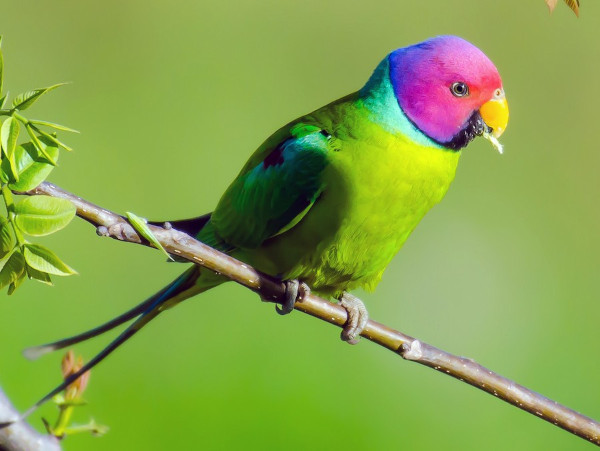 Parakeets (Melopsittacus undulatus), commonly known as budgerigars or “budgies,” are small, lively parrots native to Australia. They are one of the most popular pet birds due to their:
Playful and social nature
Ability to mimic speech and sounds
Vibrant color mutations
Affordable and low-maintenance care
Physical Characteristics
Size: 6–8 inches (15–20 cm) long
Weight: 25–40 grams
Lifespan: 5–15 years (with proper care)
Colors:
Wild type: Green body, yellow head, black barring
Captive varieties: Blue, white, yellow, violet, and rainbow combinations
Distinctive Features:
Hooked beak for cracking seeds
Long, tapered tail
Cere (nose area) color indicates sex (blue in males, tan/brown in females)
Behavior & Personality of the Parakeet Parrot
Highly social – thrives in pairs or small flocks
Playful & active – loves climbing, chewing, and exploring
Intelligent – can learn words, whistles, and tricks (especially males)
Gentle & friendly – bonds well with owners
Moderate noise level – chirps and sings but not as loud as larger parrots
Care Requirements
Housing Needs
Minimum cage size: 18″x18″x24″ (larger for multiple birds)
Bar spacing: ½ inch (to prevent escape)
Essential accessories:
Perches (natural wood of varying thickness)
Toys (swings, ladders, chewable wood, foraging toys)
Shallow water dish (for bathing)
Diet & Nutrition
Base diet: High-quality seed mix or pellets (avoid all-seed diets)
Daily fresh foods:
Leafy greens (kale, spinach)
Chopped veggies (carrots, broccoli)
Limited fruits (apples, berries)
Supplements:
Cuttlebone (for calcium)
Mineral block (for beak health)
Avoid: Avocado, chocolate, caffeine, salty foods
Health Considerations
Common health issues:
Respiratory infections (due to drafts or poor air quality)
Fatty liver disease (from seed-heavy diets)
Scaly face mites (visible crusty beak/feet)
Egg-binding (in females)
Signs of illness:
Fluffed-up feathers
Lethargy
Loss of appetite
Changes in droppings
Preventive care:
Annual vet checkups
Clean cage & fresh water daily
Balanced diet
Training & Bonding
Finger-training possible (best started young)
Responds well to positive reinforcement
Can learn simple tricks (wave, turn around)
Mimics words & sounds (clearer in males)
Needs daily interaction for socialization
Fun Facts
✅ Budgies can see UV light (helps them find food and mates).
✅ They have a “wavy” feather pattern (unique among parrots).
✅ The record for most words learned by a budgie is 1,700+!
✅ Wild budgies travel in massive flocks (thousands of birds).
Meta Descriptions
Primary Meta Description (150 chars):
“Parakeets (budgies) are playful, smart, and great talkers! Learn about their care, diet, training, and why they’re perfect pet birds.”
Alternative (160 chars):
“Discover budgie parakeets – colorful, social, and easy to care for. Tips on diet, housing, speech training, and keeping them healthy!”
SEO Keywords Included:
Parakeet
Budgie
Pet bird care
Talking parakeet
Budgerigar diet